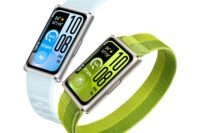

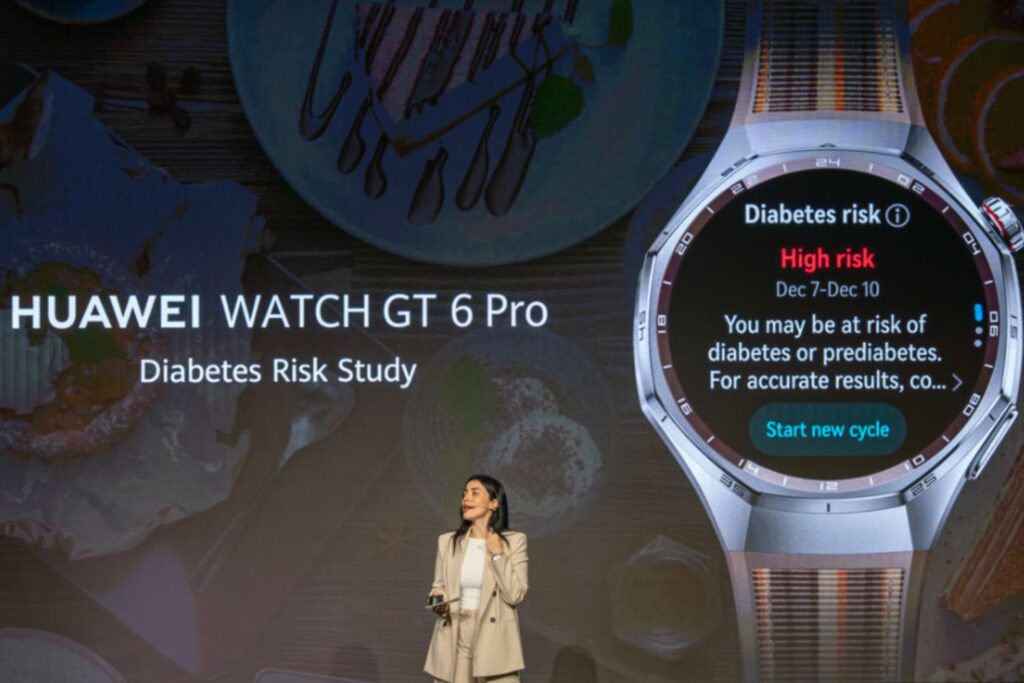
Huawei GT 6 Pro. Picture: Huawei

Huawei has raised the bar for consumer health technology with the debut of its new wearable diabetes risk assessment feature, underscoring the company’s commitment to proactive, data‑driven wellness management.
The innovation was unveiled at the World Health Expo Dubai 2026, marking a significant step forward in non‑invasive health monitoring.
A New Frontier in wearable health insights
The feature uses advanced Photoplethysmography (PPG) technology and next‑generation smartwatch sensors to analyse physiological patterns and flag early indicators that may correlate with diabetes risk.
As more people turn to wearables to take charge of their wellbeing, Huawei emphasises that the tool is designed to raise awareness—not diagnose medical conditions—and encourages users to seek timely professional evaluation when needed.
Supporting preventative care
Users whose results fall into the Medium or High categories are advised to consult healthcare professionals for further assessment.
The feature does not measure blood glucose levels nor provide a medical diagnosis; instead, it empowers individuals to recognise potential wellness trends early and take preventative action.
NOW READ: Unilever and Google Cloud forge AI-powered future of consumer brands
Expert backing
Professor Jiguang Wang, director of the Shanghai Institute of Hypertension, highlighted the growing reliability of wearable‑based PPG technology for early health trend detection.
A long‑time collaborator with Huawei, Wang played a pivotal role in developing the Huawei Watch D—the company’s first blood pressure‑monitoring smartwatch—and its successor, the Watch D2.
The global diabetes challenge
According to the International Diabetes Federation’s 2024 report, 589 million adults worldwide are living with diabetes, with 43% undiagnosed. The burden is especially heavy in low‑ and middle‑income countries, which account for 81% of cases.
In the Middle East and Africa region, 85 million adults are affected—a figure projected to surge by 92% to 163 million by 2050. In the UAE alone, diabetes prevalence among adults stands at 20.7%.
Recent research has revealed shared genetic links between resting heart rate and diabetes, while diabetes‑related microvascular changes and neuropathy have been shown to influence PPG signals. These insights helped shape Huawei’s approach to analysing blood sugar‑related fluctuations through wearable technology.
How it works
Users wear their Huawei smartwatch continuously for 3 to 14 days. After the monitoring period, the Diabetes Risk app categorises results into Low, Medium, or High based on detected wellness patterns. The process is entirely non‑invasive and designed for everyday use.
Availability
The feature is already rolling out via an over‑the‑air update for the Huawei Watch GT 6 Pro, with support for additional smartwatch models coming soon. While safe for all users and free of known side effects, the feature is not a substitute for professional diabetes screening or diagnosis.
ALSO READ: Huawei Watch GT6 leads with innovative smart features and battery life