

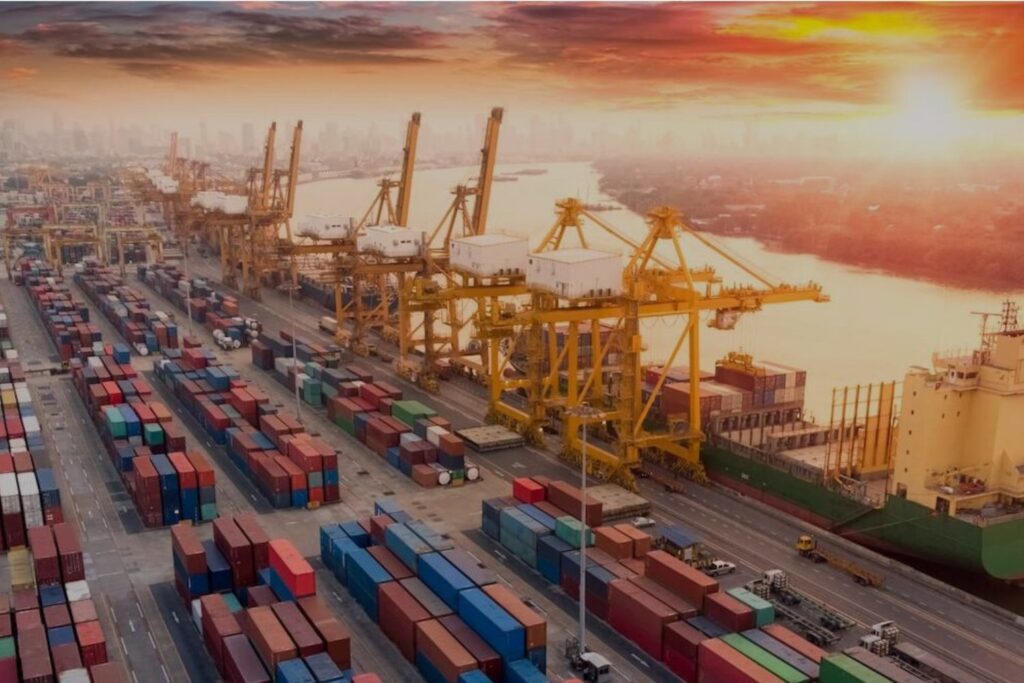
SA logistics. Picture supplied

South Africa’s congested ports, rail bottlenecks and fragile infrastructure remain among the biggest obstacles to economic growth. Exporters, manufacturers and retailers continue to face costly delays, while consumers feel the knock‑on effects.
Long‑term investment in infrastructure is essential, but businesses are increasingly asking whether artificial intelligence (AI) can help them operate more effectively in the meantime.
AI
Dr Pierre Le Roux, Managing Director of MOYO, stresses that AI is not a substitute for infrastructure upgrades.
“AI cannot build ports, repair rail networks or expand road infrastructure,” he says. “What it can do is help organisations make better decisions by extracting greater value from the enormous amounts of operational data generated throughout modern supply chains.”
Every day, logistics networks produce vast amounts of information — from cargo movements and shipping schedules to weather forecasts and warehouse activity.
Problem
The problem, Le Roux explains, is that this data is fragmented across multiple organisations and systems.
“When that information becomes visible across the value chain, organisations identify constraints earlier, allocate resources more effectively and respond to problems before they escalate.”
NOW READ: Gamers score free loot in Acer upgrade deal
Value
AI can take visibility further by predicting disruptions before they occur. By analysing vessel schedules, congestion patterns, weather conditions and cargo volumes, AI can flag potential bottlenecks days in advance.
“The real value of AI lies in moving from reactive decision‑making to proactive decision‑making,” says Le Roux. “When organisations can anticipate problems rather than simply respond to them, operational resilience improves significantly.”
Infrastructure maintenance
Another application lies in infrastructure maintenance. AI can detect early signs of deterioration in roads, rail networks and ports, helping owners prioritise repairs before failures occur. This proactive approach could extend asset life and reduce costly breakdowns.
Le Roux cautions, however, that AI’s success depends on trusted data and collaboration.
“Optimising an entire logistics ecosystem requires organisations to share information and work from trusted data. Governance frameworks will need to evolve alongside the technology.”
SA exports
South Africa’s export sectors — mining, agriculture and manufacturing — stand to benefit most. Improved forecasting could reduce excess inventory, cut costs and strengthen competitiveness in global markets.
“Better visibility creates better decisions,” Le Roux concludes.
“AI builds on that foundation by helping organisations anticipate disruption before it occurs. In today’s logistics environment, that ability can make the difference between reacting to challenges and staying ahead of them.”
ALSO READ: Cell C stands out in independent Customer Experience Index